
Water Heater Repair · Salem, OR
Water Heater Repair in Salem, OR
Cold showers, rusty hot water, a rumbling tank or a puddle in the garage — water heaters give plenty of warning before they quit. A local plumber can tell you whether yours needs a part or a replacement.
- Gas & electric tank heaters
- Pilot, burner & element issues
- Leaks, valves & noises
- Honest repair-or-replace advice
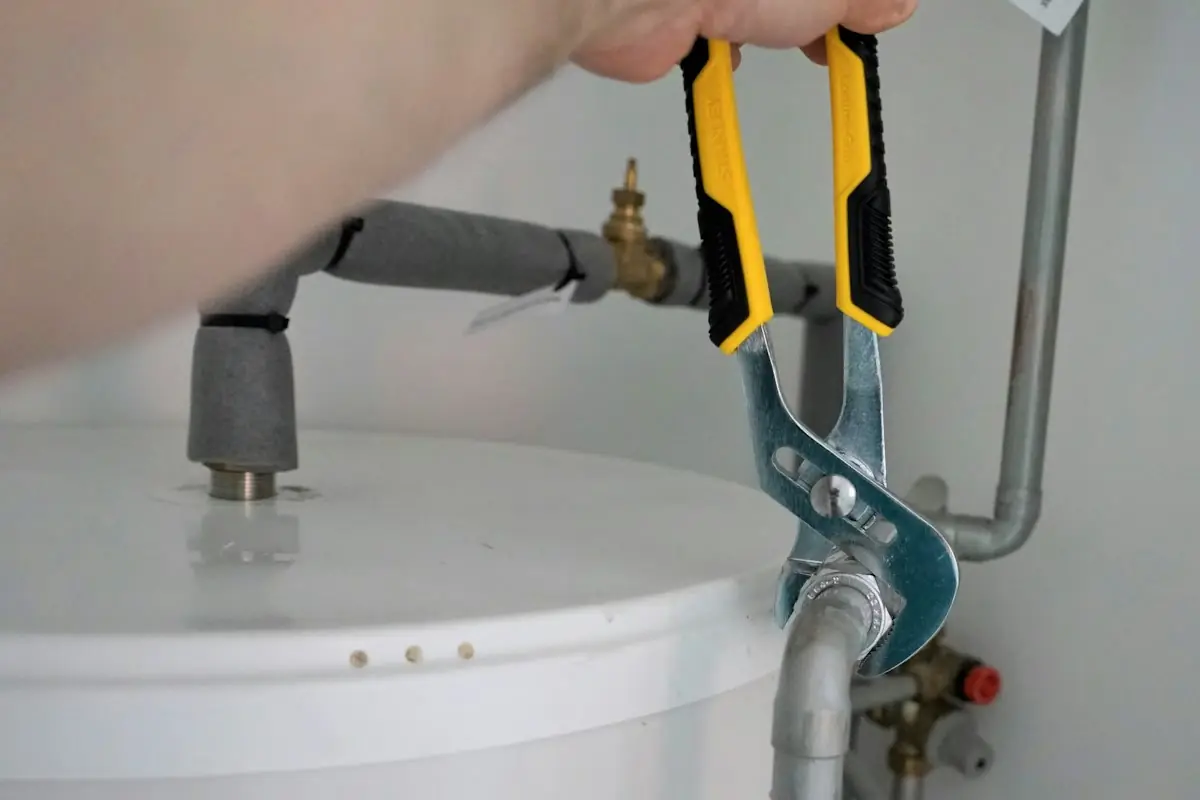
Water heater repair for Salem homes
Most homes in the Salem area have a conventional tank water heater in a garage, utility room or basement — gas in some neighborhoods, electric in others. Both types use a fairly small number of parts, and many problems come down to one of them wearing out. The plumber’s job is to figure out which one, and to tell you honestly whether fixing it is worth the money given the tank’s age and condition.
Tankless and heat pump water heaters are becoming more common too. They have different failure points — mineral scale in tankless heat exchangers, airflow and condensate issues on heat pump units — so mention the type when you call.
Signs your water heater needs attention
No hot water
A pilot that won’t stay lit, a tripped breaker or reset button, or failed elements are the usual suspects.
Not enough hot water
Showers that go lukewarm halfway through point to a failed element, a broken dip tube, or a tank full of sediment.
Rusty or discolored hot water
If only the hot side is brown or reddish, the inside of the tank may be corroding — a sign the anode rod is spent.
Rotten-egg smell
A sulfur odor from hot water often comes from a reaction between bacteria and the anode rod. A different rod type can help.
Popping, rumbling or banging
Sediment at the bottom of the tank traps water that boils as the burner or element heats it.
Moisture at the base
Water on the floor can be a loose fitting or the relief valve — or a failing tank. Find out which before it gets worse.
What you can safely check yourself
- Electric heater: check the breaker. If it’s tripped, reset it once. If it trips again, leave it off and call — that usually means a shorted element or wiring fault.
- Gas heater: look through the sight glass for the pilot flame. Relighting instructions are on the label on the tank; follow them exactly. If the pilot won’t stay lit, the thermocouple or gas control likely needs replacing.
- Make sure the thermostat or gas control hasn’t been turned down or set to “vacation.”
- Note the age of the unit. The manufacture date is usually encoded in the serial number on the label; a plumber can decode it quickly.
Smell gas near the water heater? Don’t try to relight anything. Leave the house, avoid switches and anything that could spark, and call 911 or your gas utility from outside. Electric heaters run on 240 volts — leave element and thermostat testing to a professional.
Common water heater repairs
Gas water heaters
Thermocouples and flame sensors wear out and stop holding the gas valve open, so the pilot goes out. Burners and pilot assemblies collect dust and lint — a real issue in garages — and need cleaning. Gas control valves occasionally fail. The plumber will also look at the venting: a gas water heater must vent combustion gases safely outdoors, and a disconnected or backdrafting vent is a carbon monoxide hazard.
Electric water heaters
Most electric tanks have two heating elements, each with its own thermostat. Elements burn out, especially in tanks with heavy sediment, and thermostats can stick. Both are replaceable. A high-limit switch that keeps tripping usually means something else has failed, so the cause needs to be found, not just the button pressed.
Parts on every tank
The anode rod is a metal rod that corrodes so the tank doesn’t; once it’s gone, the tank starts rusting from the inside. Replacing it on a healthy tank can extend its life. Drain valves, dip tubes and T&P relief valves are also common replacements.
How a repair visit usually goes
- Describe the symptomsNo hot water, not enough, noise, smell or a leak — plus the fuel type and roughly how old the heater is.
- Inspection and testingThe plumber checks the burner or elements, controls, venting, relief valve and tank for leaks or corrosion.
- Repair-or-replace recommendationYou get the diagnosis and the price of the repair. If replacement makes more sense, the plumber should explain why.
- Repair and testOnce you approve, the part is replaced and the heater is brought back up to temperature and checked for safe operation.
Repair or replace?
Tank water heaters commonly last somewhere around 8 to 12 years, depending on water quality, maintenance and how hard they work. A few guidelines:
- The tank is leaking: replace it. Tanks can’t be patched reliably.
- A replaceable part failed on a younger heater: repair is usually the better value.
- An older heater has had several repairs: start planning a replacement. Our water heater installation page covers tank, tankless and heat pump options.
For a deeper look at the warning signs, read signs your water heater needs repair or replacement.
Keeping your water heater healthy
Flushing a tank to remove sediment, testing the relief valve, and checking the anode rod every few years are the simplest ways to get more life out of a water heater. Keep the area around a gas unit clear of stored boxes, paint cans and laundry lint, and make sure it’s strapped — Oregon requires seismic strapping on water heaters. If the strapping is missing or loose, ask the plumber about it during the visit.
Not sure if this needs a plumber?
Describe what you’re seeing and get a straight answer.
FAQ
Water Heater Repair questions
Don’t see your question? Browse the full plumbing FAQ or call and ask.
On a gas heater, the most common causes are a pilot light that’s gone out, a failing thermocouple or flame sensor, or a gas control valve problem. On an electric heater, it’s usually a tripped breaker, a tripped high-limit reset, or failed heating elements. Check the breaker or pilot first; if the problem returns, call a plumber.
On electric heaters, a failed lower element often leaves only the top of the tank heating, so you get a short burst of hot water. On both gas and electric units, heavy sediment buildup takes up space and insulates the water from the heat source. A broken dip tube, which mixes incoming cold water into the hot supply, causes the same symptom.
The noise itself is usually sediment — minerals and debris at the bottom of the tank — trapping water that boils and pops as the burner fires. It isn’t an immediate danger, but it reduces efficiency and stresses the tank. Flushing can help if it’s caught early; on an older tank with heavy buildup, flushing can sometimes uncover a leak.
The temperature and pressure (T&P) relief valve opens when the tank gets too hot or the pressure too high. Occasional drips can mean a worn valve, but they can also point to excessive water pressure or thermal expansion with no expansion tank. Don’t cap or plug that valve — it’s a critical safety device. Have a plumber find the cause.
If the tank itself is leaking, replacement is the only real fix. If the heater is fairly young and a replaceable part has failed — an element, thermostat, thermocouple, valve or anode rod — repair usually makes sense. Older units with repeated problems are often better replaced on your schedule rather than after a failure.
Related services
Other plumbing help in Salem
Water Heater Installation
Tank, tankless and heat pump water heater replacement, sized for your household and installed to code.
Learn more about water heater installationLeak Detection
Finding hidden leaks behind walls, under floors and in slabs before they turn into rot or mold.
Learn more about leak detectionEmergency Plumbing
Burst pipes, active leaks, sewage backups and no-water situations that can't wait for a routine appointment.
Learn more about emergency plumbingHave a plumbing problem in Salem, OR?
Tell us what's going on. We'll connect you with a local plumber who can explain the problem, your options and the cost before any work begins.