
Garbage Disposal Repair · Salem, OR
Garbage Disposal Repair in Salem, OR
A disposal that hums but won’t spin, leaks into the sink cabinet or won’t turn on at all can usually be diagnosed quickly. Get a local plumber to repair it, or replace it with a unit that suits your kitchen and household.
- Jammed & humming disposals
- Leaks from top, side or bottom
- Dishwasher drain connections
- Replacement & new installation
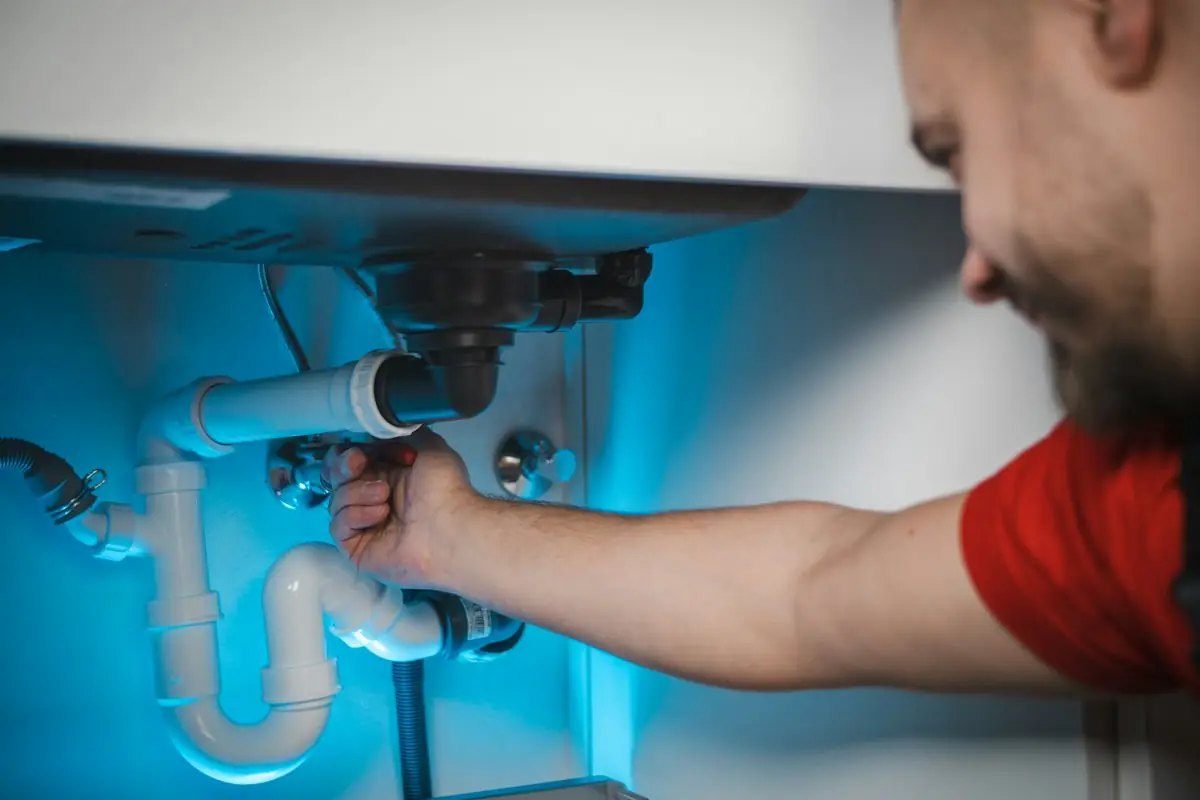
Garbage disposal repair for Salem kitchens
A garbage disposal is a small electric motor bolted under your kitchen sink, spinning a plate that flings food against a grinding ring until it’s fine enough to wash down the drain. It sits right where plumbing and electrical meet, which is why problems can range from a simple jam you can clear in a minute to a failed motor or a leak that has been soaking the cabinet floor for weeks.
Most disposal issues fall into a handful of categories, and the symptom usually points straight to the cause. A plumber can tell you quickly whether a repair is worthwhile or whether the unit has reached the end of its life.
What your disposal is telling you
Hums, won’t spin
Something is jammed between the plate and the grinding ring — a bone, a fruit pit, a utensil or a bottle cap.
Completely silent
The thermal reset has tripped, the breaker is off, or the switch, wiring or motor has failed.
Leaking
Top, side or bottom leaks each have a different cause. Bottom leaks usually mean worn internal seals.
Drains slowly
The clog is often in the trap or drain line beyond the disposal, not in the unit itself.
Loud grinding or rattling
Hard debris inside, loose mounting, or worn internal parts.
Bad smell
Food residue stuck under the splash guard or in the grinding chamber. Cleaning usually fixes it.
Safe troubleshooting before you call
Safety first: turn off the wall switch and either unplug the disposal or switch off its breaker before you touch it. Never put your hand into the grinding chamber, even with the power off — use tongs or pliers to remove objects you can see.
- Remove anything visibleWith the power off, shine a flashlight into the drain opening and pull out anything that doesn’t belong.
- Free a jam with the hex keyMany disposals have a hex socket in the center of the bottom. Insert the matching hex key and work it back and forth until it turns freely.
- Press the reset buttonLet the motor cool a few minutes, then press the red reset button on the bottom of the unit until it clicks.
- Restore power and testRun cold water, then turn the disposal on. If it hums again, turn it off immediately — running a jammed motor can burn it out.
If those steps don’t work, or if you see water under the unit, it’s time to call a plumber.
Where the leak is coming from
- At the top, near the sink: the sink flange’s seal (often plumber’s putty or a gasket) has failed or the mounting has loosened. This is usually repairable.
- At the dishwasher inlet: the hose clamp or hose is worn. Also usually a simple fix.
- At the drain outlet: the gasket where the disposal connects to the drain pipe has worn or the connection has loosened.
- From the bottom of the unit: internal seals have failed and water is reaching the motor housing. This typically means replacement.
The dishwasher connection
In most kitchens, the dishwasher drains through the disposal. That means a clogged disposal can make the dishwasher back up into the sink, and a disposal installed without knocking out the dishwasher inlet plug will stop the dishwasher from draining at all. The drain hose also needs a high loop or an air gap — many sinks have a small chrome air gap cap beside the faucet — to prevent dirty sink water from siphoning back into the dishwasher. A plumber should check these whenever a disposal is replaced.
What not to put down a disposal
Most disposal jams and many kitchen drain clogs come from the same short list. Keep these in the trash or compost instead:
- Fats, oils and grease — they pass through as liquid and harden in the drain line downstream.
- Rice, pasta and bread, which swell with water and form a paste.
- Coffee grounds and eggshells, which settle into sludge in the pipes.
- Fibrous scraps like celery, corn husks, onion skins and artichoke leaves.
- Bones, fruit pits and shells.
Run plenty of cold water before, during and after grinding. If your kitchen sink keeps clogging anyway, read our clogged drain guide or see drain cleaning in Salem.
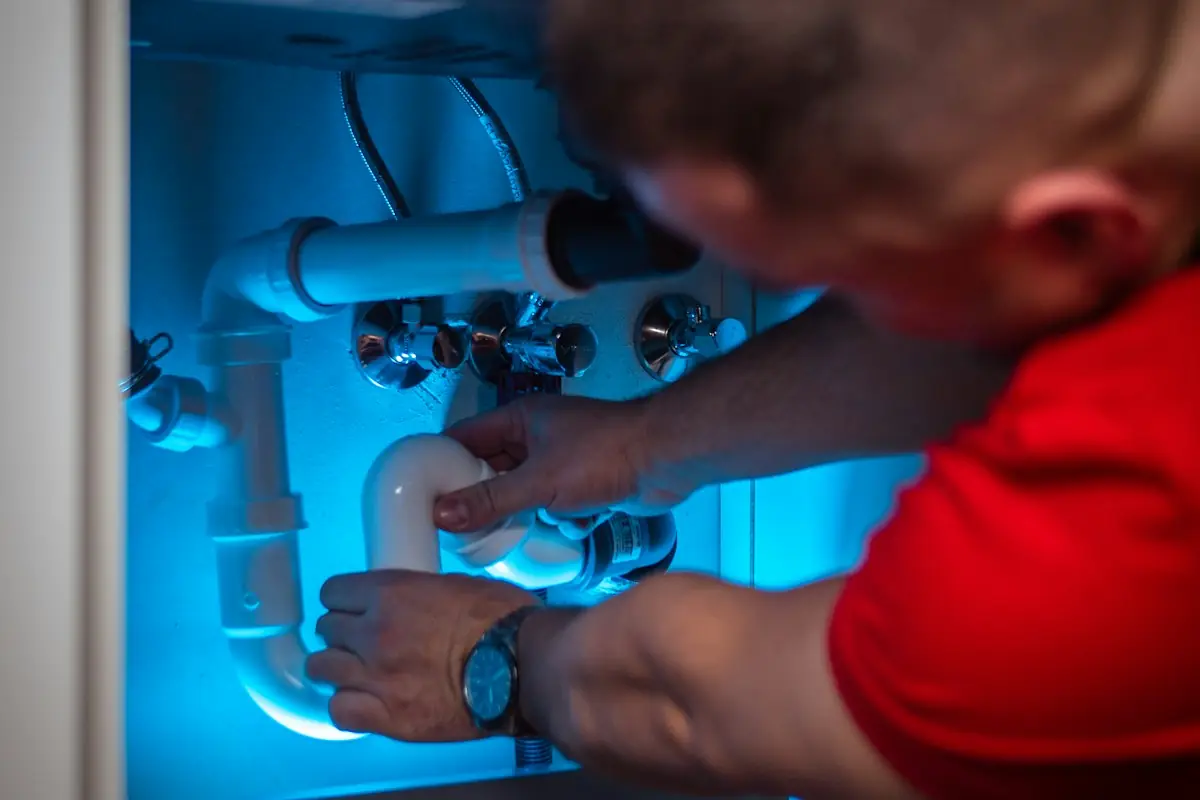
Repair or replace your disposal?
Jams, flange leaks, loose connections and dishwasher hose problems are usually repairable. Replacement tends to make more sense when the unit leaks from the bottom, the motor has burned out, it trips the reset constantly, or it’s simply old and struggling. When replacing, consider:
- Motor size: 1/3 horsepower suits light use; 1/2 to 3/4 horsepower is a common choice for families who cook regularly.
- Feed type: continuous-feed units run while you add scraps; batch-feed units only run with a stopper in place, which some households prefer for safety.
- Fit and noise: larger units may need plumbing adjustments in a small cabinet, and insulated models run noticeably quieter.
- Septic systems: rural homes outside Salem’s sewer service are often on septic. A disposal adds solids to the tank, so talk to your septic provider about pumping frequency first.
Keeping a disposal running well
A few habits go a long way. Grind small amounts at a time rather than a full sink of scraps, and let the motor run a few seconds after the grinding sound stops so the chamber clears. Run the disposal regularly, even briefly, so the parts don’t corrode and seize from disuse — this is common in vacation homes and vacant rentals. To freshen it, grind a handful of ice cubes followed by a few citrus peels, and clean under the rubber splash guard with an old toothbrush. Skip bleach and harsh chemicals, which are hard on seals.
Why a professional repair is worth it
A disposal combines a water connection, a drain connection, a dishwasher connection and an electrical supply in one tight space. A plumber can make sure the mount is sealed, the drain slopes correctly, the dishwasher has proper backflow protection, and nothing is left dripping into the cabinet. Small leaks under a sink often go unnoticed until the cabinet floor swells or mold appears; if you suspect one, our leak detection page explains what to look for.
Not sure if this needs a plumber?
Describe what you’re seeing and get a straight answer.
FAQ
Garbage Disposal Repair questions
Don’t see your question? Browse the full plumbing FAQ or call and ask.
The motor is getting power but the grinding plate is jammed. Turn the disposal off — and switch off its breaker or unplug it — before doing anything else. Many units have a hex socket in the center of the bottom; turning it back and forth with the right-size hex key can free the jam. Never put your hand in the disposal. If it won’t free up, call a plumber.
Check the red reset button on the bottom of the unit; the motor has a thermal overload that trips when it overheats or jams. Wait a few minutes, press it firmly, and try again. If it still won’t run, check the breaker. If neither helps, the switch, wiring or motor may have failed — have a professional look at it.
Where it leaks tells you a lot. A leak at the top usually means the sink flange seal has failed. A leak at the side points to the dishwasher hose or the drain pipe connection. Water dripping from the bottom of the unit often means the internal seals have worn out — which usually means replacing the disposal, not repairing it.
Often yes, but it adds solids to the tank, which typically means more frequent pumping. Some manufacturers make septic-oriented models. If your home is on septic — common in rural parts of Marion and Polk counties — check with your septic service provider before installing one.
Disposals are commonly sold in 1/3, 1/2, 3/4 and 1 horsepower sizes. Smaller units are fine for light, occasional use; households that cook often usually do better with 1/2 or 3/4 horsepower, which grind more finely and jam less. Physical size matters too, since larger units may not fit around existing plumbing in a small sink cabinet.
It’s best not to. Chemical drain cleaners can damage the disposal’s seals and parts and make any later repair hazardous for the person doing it. If the sink is draining slowly through the disposal, the clog is usually in the trap or drain line past it.
Related services
Other plumbing help in Salem
Drain Cleaning
Slow sinks, clogged tubs and backed-up main lines cleared with the right tool for the blockage.
Learn more about drain cleaningFaucet Repair
Dripping, loose or low-pressure kitchen, bath and outdoor faucets repaired or replaced.
Learn more about faucet repairLeak Detection
Finding hidden leaks behind walls, under floors and in slabs before they turn into rot or mold.
Learn more about leak detectionHave a plumbing problem in Salem, OR?
Tell us what's going on. We'll connect you with a local plumber who can explain the problem, your options and the cost before any work begins.