
Drains
What to Do When You Have a Clogged Drain
Most single-fixture clogs can be cleared with a plunger, a bucket and a little patience. The trick is knowing which tool to use, what to avoid, and when the problem is bigger than one drain.
7 min read West Coast Plumbing Pro editorial
Before you grab a tool, take thirty seconds to figure out what kind of clog you have. The answer decides everything else.
Step one: is it one drain or several?
Run water in a few other fixtures and flush a toilet. Then ask:
- Only one fixture is slow? The clog is almost certainly in that fixture’s trap or branch line. That’s a good candidate for the DIY steps below.
- Two fixtures in the same bathroom are slow? The clog may be in the shared branch line behind the wall. Try the steps below, but expect to need a longer auger.
- Drains on different floors or in different rooms are slow, or water comes up in a tub or floor drain when you flush? That points to the main line. Skip ahead to the main line section — plunging won’t help and running more water will make it worse.
Clearing a single clogged drain, step by step
Gather a few things first: rubber gloves, a bucket, old towels, a flashlight, and a flat-edged screwdriver. Work from the least invasive method to the most.
1. Clean the stopper or strainer
A surprising number of “clogs” are sitting right at the top of the drain.
- Bathroom sink pop-up stoppers usually lift out, or release by unscrewing the pivot nut behind the drain pipe under the sink. Pull the stopper up and clean off the hair and soap that wrap around it.
- Tub drains come in several styles — lift-and-turn, push-to-close, toe-touch, and trip-lever stoppers in the overflow plate. Most unscrew or lift out. With a trip lever, remove the two screws on the overflow plate and pull the linkage out to clean it.
- Shower drains often have a strainer held by a screw or two. Remove it and pull out what you can with a plastic drain hair tool, an inexpensive barbed strip sold at hardware stores.
2. Use the right plunger
There are two common kinds, and using the wrong one is why plunging so often “doesn’t work.”
Cup plunger
A simple rubber cup. It needs a flat surface to seal against, so it’s the right tool for sinks, tubs and showers.
Flange plunger
Has a rubber sleeve that folds out of the cup to seal inside a toilet’s curved opening. Use it for toilets.
To plunge a sink or tub effectively:
- Block the overflowHold a wet rag firmly over the overflow hole — otherwise the pressure escapes there instead of pushing the clog. On a double kitchen sink, plug the other basin.
- Add waterYou need enough standing water to cover the plunger cup. Water transmits force; air just compresses.
- Seal and plungeSeat the cup over the drain and work it up and down firmly for 15–20 strokes, keeping the seal. Pull off sharply on the last stroke.
- TestIf the water drops quickly, run hot tap water for a minute to flush the line. If not, repeat a few times before moving on.
Kitchen sink with a dishwasher? Clamp the dishwasher drain hose or plug the other basin firmly before plunging. Otherwise you may push dirty water back into the dishwasher.
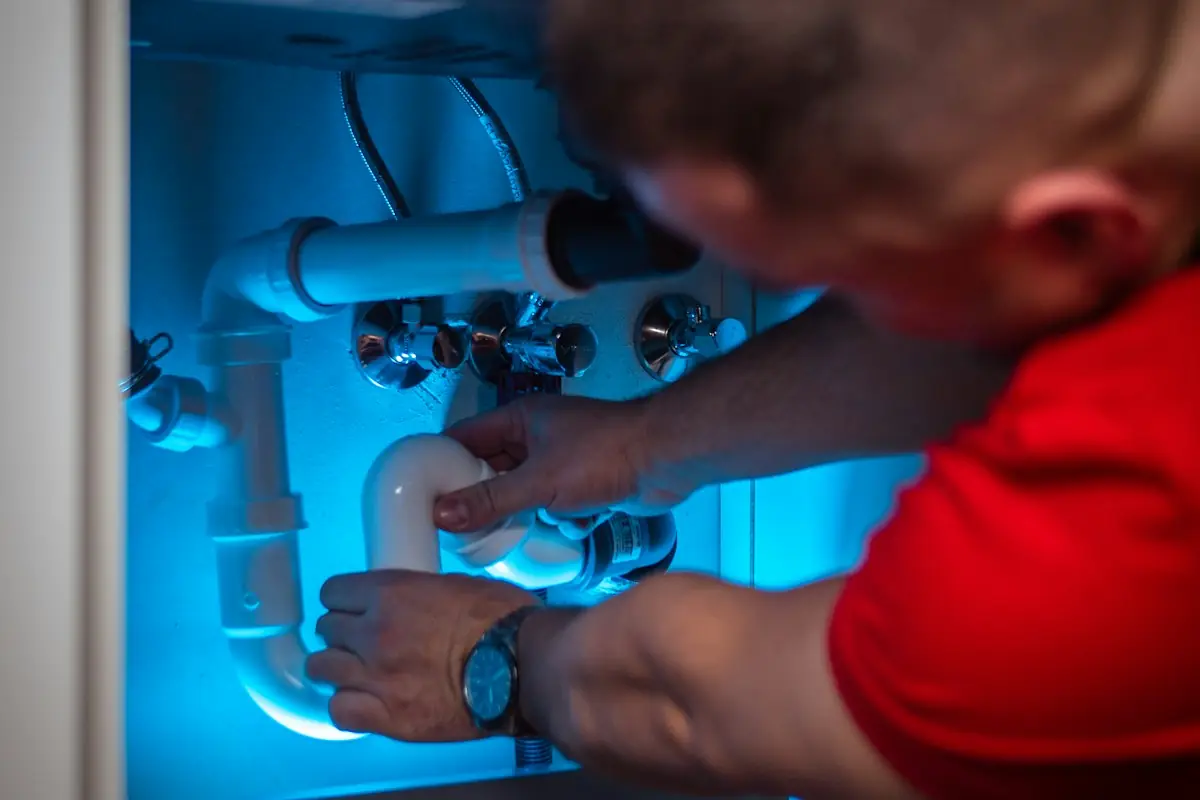
3. Clean the P-trap
The curved section of pipe under a sink is the P-trap. It holds a little water to block sewer gas, and it’s where heavier debris — and dropped rings — collect.
- PreparePut a bucket under the trap and lay a towel down. The trap is full of dirty water.
- Loosen the slip nutsMost modern traps are plastic with large slip nuts that loosen by hand. Metal traps may need pliers; wrap the jaws with tape to avoid scratching.
- Remove and cleanDrop the trap into the bucket, clear it out, and look into the pipe going into the wall. If you can see the clog there, a hand auger is the next step.
- Reassemble carefullyMake sure the washers are seated and the pieces line up straight. Snug the nuts — overtightening plastic can crack it. Run water and check for drips.
If your trap is old chrome-plated metal and crumbles or leaks when you touch it, stop and replace it rather than forcing it back together. On older homes, the pipe stub coming out of the wall may also be corroded — another reason to go gently.
4. Use a hand auger (drain snake)
A hand-cranked drum auger with a quarter-inch cable is inexpensive and reaches far enough for most sink and tub branch lines.
- Feed the cable into the drain or the wall pipe (with the trap removed) until you feel resistance.
- Lock the cable and turn the handle clockwise while gently pushing forward. You’ll feel it either bite into the clog or break through it.
- Pull the cable back slowly — it often brings hair or debris with it — and wipe it off as it comes out.
- Reassemble, then run hot water for a couple of minutes.
Don’t force an auger through a toilet without a toilet-specific closet auger; a regular cable can scratch the porcelain. And if you feel the cable hit something solid that won’t give, stop. You may be at a fitting, and forcing it can damage the pipe.
What not to do
A few common shortcuts cause more trouble than the clog itself.
- Don’t use chemical drain cleaners as a first resort. Caustic and acid-based products generate heat, can damage older metal pipes, rubber seals and some finishes, and frequently don’t reach the actual clog. Then the drain is full of a hazardous liquid that splashes on whoever works on it next.
- Never mix drain chemicals, and never follow one product with another. Some combinations can release dangerous gases or react violently. If you’ve already used a chemical cleaner, tell anyone who works on the drain, including a plumber.
- Don’t plunge after using chemicals. Plunging can splash corrosive liquid onto your skin or into your eyes.
- Don’t keep running water into a drain that isn’t draining, especially if multiple fixtures are affected.
- Don’t rely on boiling water for sinks with plastic pipes or for toilets. Very hot water can soften PVC joints and crack porcelain.
Enzyme-based drain maintenance products are gentler, but they work slowly and are meant for prevention, not for clearing a stopped drain.
Not sure if this needs a plumber?
Describe what you’re seeing and get a straight answer.
When it’s a main line clog
Your home’s branch lines all feed into a main drain, which leaves the house as the sewer lateral. When the main line is blocked, water has nowhere to go and backs up at the lowest openings in the house. Common signs:
- Water comes up in the shower or tub when the toilet is flushed.
- The washing machine drains into a floor drain or nearby tub.
- Toilets gurgle when other fixtures run.
- Water or waste appears around the outdoor sewer cleanout.
- Every drain in the house is slow at once.
If you see these, stop using water in the house — no flushing, laundry or dishwasher — and call a plumber. A main line clog needs a larger cable machine run through a cleanout, and often a camera inspection to see what caused it. Tree roots in older clay sewer laterals, “flushable” wipes, and grease buildup are frequent culprits. Learn more on our drain cleaning page, and if roots or pipe damage are the cause, see sewer line repair.
Sewage in the house? Keep children and pets away from the area, wear gloves if you have to move anything, and don’t try to clean up while the line is still backing up. This is a good time to call for emergency plumbing help.
When to call a plumber for a single drain
Even a single-fixture clog is worth handing off when:
- You’ve plunged, cleaned the trap and run a hand auger, and it’s still slow.
- The same drain clogs again within weeks.
- The trap or pipes are corroded and you’re worried about breaking them.
- The clog involves a garbage disposal that hums, won’t turn, or leaks — see garbage disposal repair.
- You’ve already poured a chemical cleaner into a drain that’s still full.
Preventing the next clog
Most clogs are built slowly, one dinner plate or one shower at a time. A few habits make a big difference:
- Keep grease out of the sink. Let fats, oils and pan drippings cool, then scrape them into the trash. Hot water and dish soap only move grease further down the pipe, where it hardens.
- Don’t treat the disposal like a trash can. Coffee grounds, rice, pasta, eggshells and fibrous scraps like celery and onion skins are common clog sources.
- Use hair catchers in tubs and showers, and empty them regularly.
- Flush only toilet paper. Wipes labeled “flushable,” paper towels, and hygiene products don’t break down the way toilet paper does.
- Run water after using the disposal for several seconds to carry waste past the trap.
- Pay attention to slow drains early. A slow drain is a partial clog. Clearing it now is easier than clearing a full blockage later.
For a season-by-season look at what goes wrong in local homes — including why main lines tend to act up during the rainy months — read common plumbing problems Salem homeowners should watch for. And if your water heater is making noise while you’re under the sink, see signs your water heater needs repair or replacement.
This article is general information for homeowners, not a diagnosis. Plumbing conditions vary — have a qualified plumber inspect anything involving gas, electrical connections, or sewage.