
Water Heater Installation · Salem, OR
Water Heater Installation in Salem, OR
Whether your old tank just failed or you’re planning ahead, the right replacement depends on your household, your fuel type and the space you have. Get a properly sized, code-compliant installation from a local plumber.
- Tank, tankless & heat pump
- Gas and electric units
- Strapping, venting & expansion tanks
- Old unit hauled away
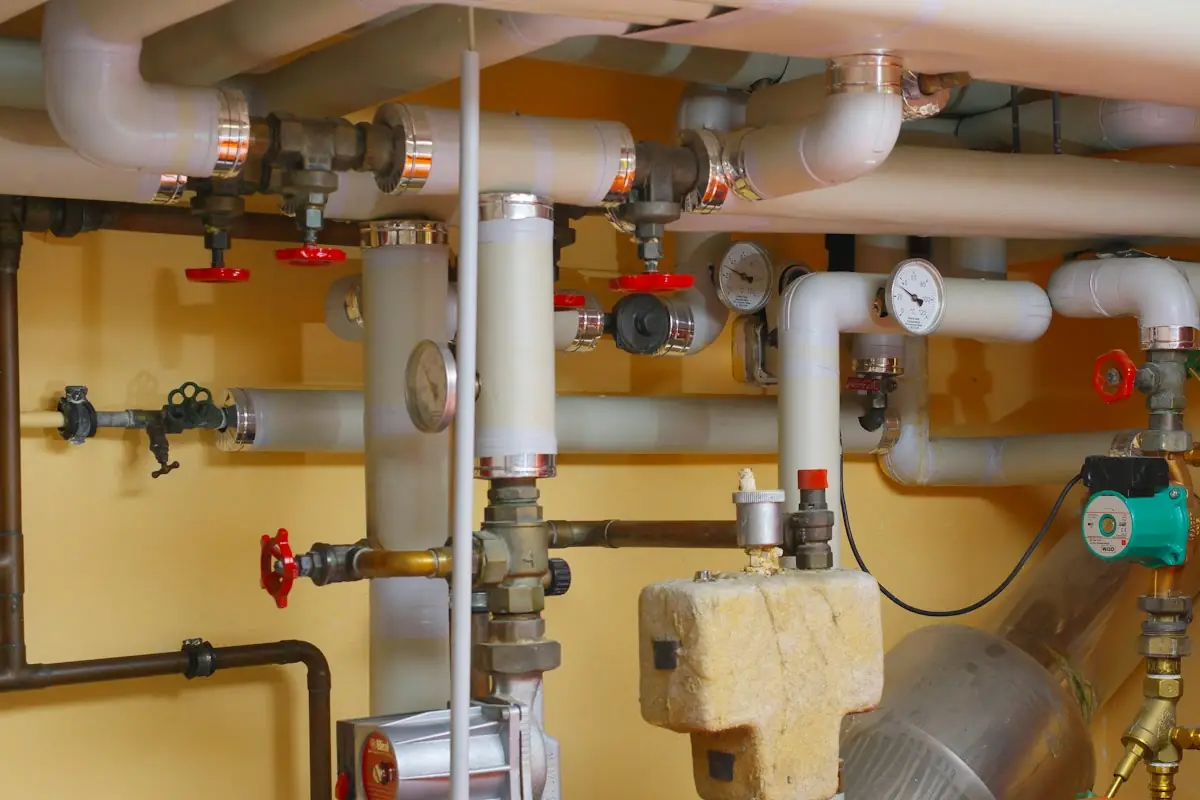
Choosing a new water heater
A water heater is one of the few appliances in your home that runs every day for a decade or more, so the choice is worth a few minutes of thought. The main decision is the type of heater; the second is the size. Both depend on how your household actually uses hot water, the fuel available in your home, and where the heater will live.
Tank water heaters
The familiar storage tank keeps a supply of hot water ready to use. Tank heaters are the simplest to install as a replacement, have the lowest upfront cost, and are easy for any plumber to service. Their drawbacks: they can run out during back-to-back showers, they lose some heat while sitting, and they take up floor space.
Tankless water heaters
Tankless (on-demand) heaters heat water as it flows, so they don’t run out as long as demand stays within their flow rating. They’re compact and wall-mounted. On the other hand, gas tankless units often need a larger gas supply line and new venting, the installation is more involved, and they need periodic descaling to stay efficient.
Heat pump water heaters
A heat pump (hybrid) water heater looks like a tank heater but uses a heat pump on top to move heat from the air into the water. They use far less electricity than a standard electric tank. They need room to breathe, a drain for condensate, and they cool the space around them slightly — usually a bonus in a garage, less so in a small closet.
Best for simple replacement
A tank heater in the same fuel type and size is the quickest, least disruptive swap.
Best for large households
Tankless or a larger, high-recovery tank keeps up when several showers run in a row.
Best for electric homes
A heat pump water heater can sharply reduce the energy used to heat water, if the space suits it.
Best for tight spaces
Wall-mounted tankless units free up the closet or garage floor a tank occupied.
Getting the size right
An undersized heater means cold showers; an oversized one wastes energy keeping water hot that you never use. Expect the plumber to ask about:
- How many people live in the home, and when they shower.
- The number of bathrooms and whether you have a large tub or multi-head shower.
- Dishwasher and laundry habits.
- Your current heater’s size and whether it’s been keeping up.
What a proper installation includes
Replacing a water heater isn’t just connecting two pipes. Oregon’s plumbing code sets requirements that protect your home and family, and a good installation checks all of them:
- Draining and removing the old unitThe old tank is drained, disconnected and hauled away.
- Seismic strappingOregon requires water heaters to be strapped to resist earthquake movement. Older installations sometimes have none, or straps that no longer fit.
- Venting and gas connectionsGas heaters need correctly sized, sloped and sealed venting, a proper gas connection with a shutoff, and a sediment trap. This is where shortcuts become carbon monoxide hazards.
- Relief valve and drain lineThe T&P relief valve gets a discharge pipe that routes water safely to an approved location.
- Expansion tank where neededHomes with a pressure-reducing valve or backflow device often need a thermal expansion tank so pressure doesn’t build every time the heater runs.
- Permit and inspectionOregon requires a permit to replace a water heater. Ask your plumber to pull it so the work is inspected.
- Startup and testingThe tank is filled before power or gas is turned on, then tested for leaks, safe venting and correct temperature.
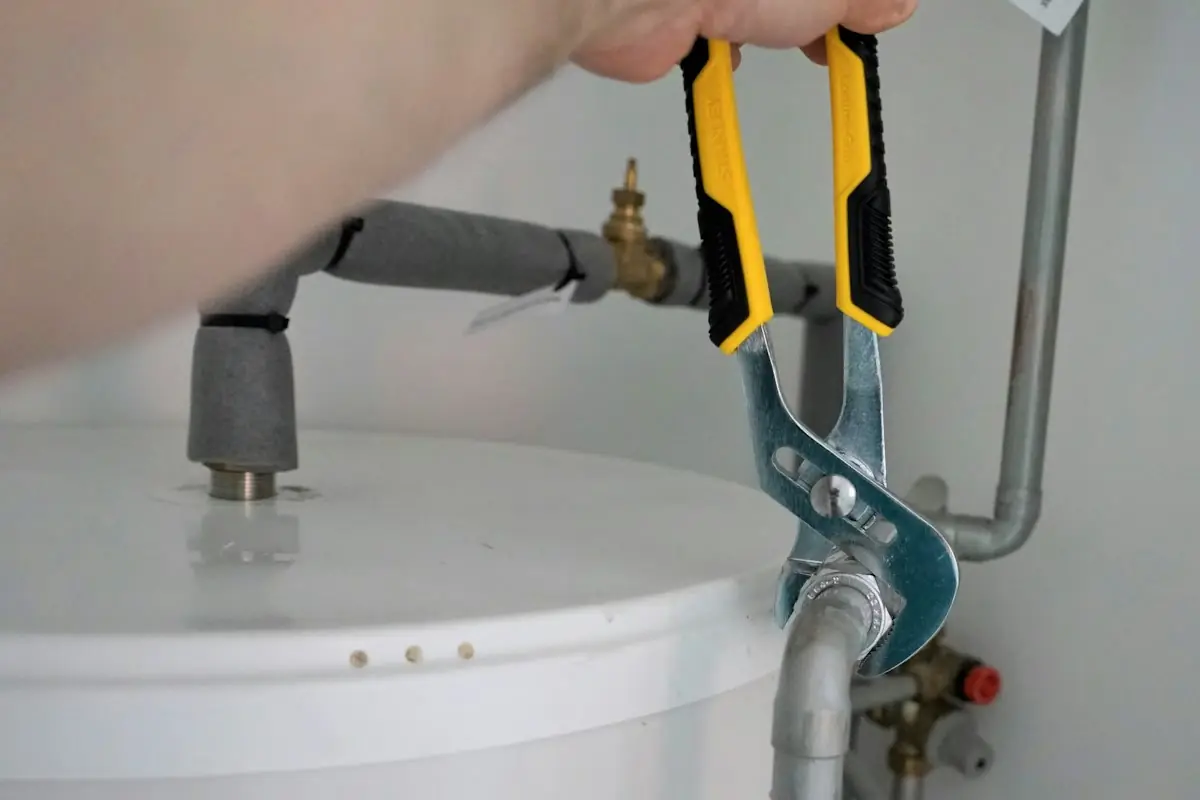
Planned replacement vs. emergency replacement
Most people replace a water heater the day it starts leaking, which leaves little time to compare options. If your heater is getting older, rumbles, or produces rusty hot water, it’s worth getting a quote now. A planned replacement lets you consider a tankless or heat pump unit, check for current utility incentives, and schedule the work around your week instead of around a puddle. Not sure how much life is left? Start with water heater repair — sometimes a part is all it needs.
Questions to ask before you approve a quote
Water heater quotes can look similar on paper and differ a lot in what’s included. Before you say yes, ask:
- Is the permit included, and who schedules the inspection?
- Does the price include new strapping, a sediment trap, a relief valve discharge line and an expansion tank if one is required?
- Will the existing venting be reused, and has it been checked for size and condition?
- Is removal and disposal of the old heater included?
- What are the manufacturer’s tank and parts warranties, and what labor warranty does the installer offer?
- Can you see the contractor’s Oregon CCB license number? You can verify it on the CCB license search.
A written quote that spells these out protects you, and makes it easy to compare bids fairly.
Water heaters in Salem-area homes
Many Salem homes keep the water heater in the garage, where it’s vulnerable to bumps and where gas units should be raised off the floor according to code. In older homes, the heater may sit in a closet or basement with tight clearances and venting that was installed decades ago — something to check before choosing a larger or different type of unit. If you’re switching fuel types or moving the heater, ask how the gas line, electrical circuit or venting will change; those items can affect the scope of the job more than the heater itself.
For more on recognizing a failing tank, see signs your water heater needs repair or replacement.
Not sure if this needs a plumber?
Describe what you’re seeing and get a straight answer.
FAQ
Water Heater Installation questions
Don’t see your question? Browse the full plumbing FAQ or call and ask.
For tank heaters, the key number is first-hour rating — how much hot water the heater can deliver in a busy hour — not just tank gallons. Tankless units are sized by flow rate and temperature rise. A plumber will ask how many people live in the home, how many showers run at once, and whether you have a large soaking tub.
It can be, especially if you want endless hot water or need to free up floor space. But tankless units usually cost more to install, often need a larger gas line or new venting, and benefit from periodic descaling. In homes with modest hot water use, a well-sized tank heater can be the more economical choice.
Yes. Oregon’s Building Codes Division lists water heater replacement among the plumbing work that requires a permit — a licensed plumbing contractor can usually get a streamlined “minor label” permit for it. Gas units may involve additional requirements for venting and gas piping. The permit and inspection help confirm the venting, gas connection, strapping and relief valve are installed safely. Ask your plumber to pull the permit — reputable contractors handle it as part of the job.
A heat pump water heater pulls heat from the surrounding air to warm the water, using much less electricity than a standard electric tank. It needs space around it for airflow, a condensate drain, and works best in a garage or basement that doesn’t get very cold. Utility or state incentives are sometimes available; check what’s current before you buy.
A like-for-like tank swap is commonly completed in a single visit, often within a few hours. Switching from tank to tankless, changing fuel types, or relocating the heater takes longer because of new gas lines, venting, electrical work or permits.
Most installers drain and remove the old unit and dispose of or recycle it. Confirm when you get the quote that haul-away is included, so you’re not left with a 150-pound tank in the driveway.
Related services
Other plumbing help in Salem
Water Heater Repair
No hot water, lukewarm showers, popping noises or a leaking tank on gas and electric units.
Learn more about water heater repairPipe Repair
Leaking joints, corroded galvanized lines, frozen or burst pipes and partial or whole-home repiping.
Learn more about pipe repairLeak Detection
Finding hidden leaks behind walls, under floors and in slabs before they turn into rot or mold.
Learn more about leak detectionHave a plumbing problem in Salem, OR?
Tell us what's going on. We'll connect you with a local plumber who can explain the problem, your options and the cost before any work begins.