
Faucet Repair · Salem, OR
Faucet Repair in Salem, OR
A dripping tap, a sprayer hose that leaks under the sink or an outdoor spigot that froze last winter — faucet problems are small until the cabinet floor swells or the water bill climbs. Get a local plumber to repair or replace kitchen, bathroom, tub and outdoor faucets.
- Dripping & leaking faucets
- Low flow & sputtering water
- Kitchen pull-down hose leaks
- Outdoor hose bibs & sillcocks
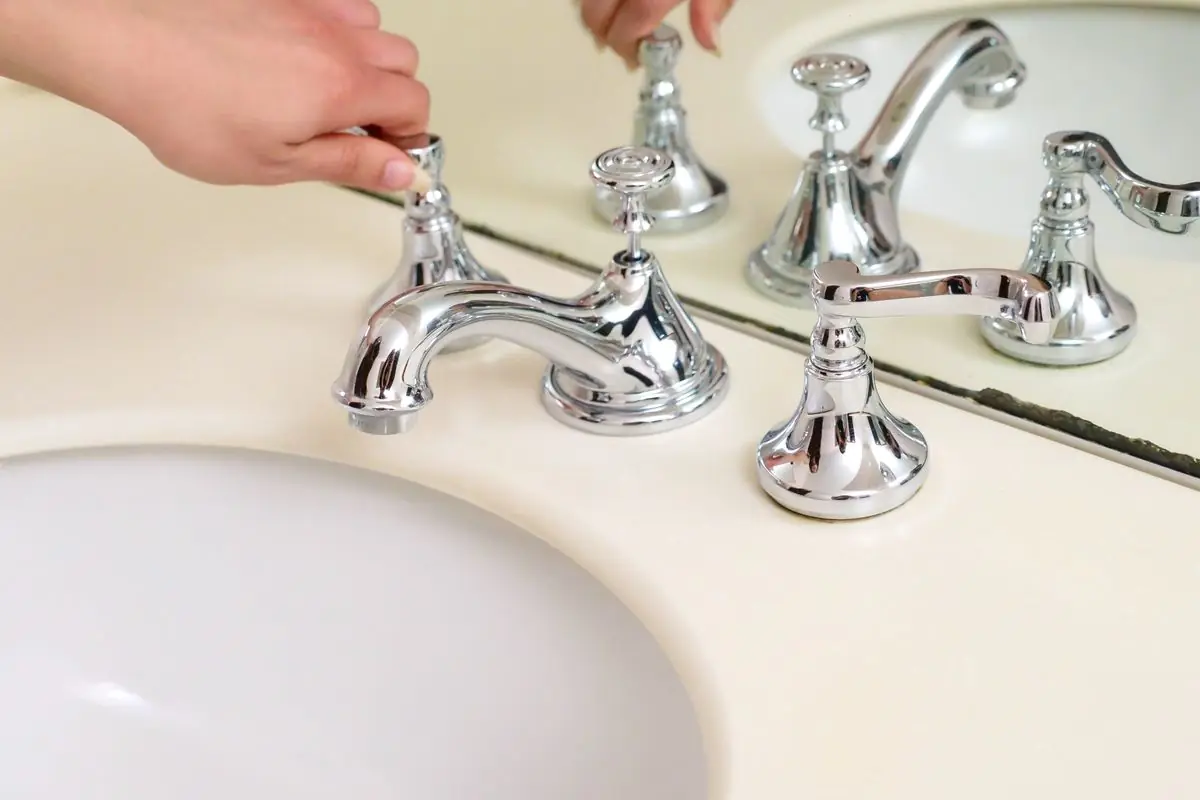
Faucet repair for Salem kitchens, baths and yards
A typical Salem home has more faucets than people realize — kitchen, bathroom sinks, tub and shower valves, a laundry tap and at least one or two outdoor spigots. They all work on the same principle: a valve inside the faucet opens and closes to control water that’s always under pressure. When that valve or its seals wear out, you get drips, leaks, stiff handles or water where it doesn’t belong.
Most faucet problems can be repaired without replacing the whole fixture. The key is identifying what type of faucet you have and which part has failed, then using the right replacement rather than a “universal” part that almost fits.
Know your faucet type
Compression
Separate hot and cold handles that tighten down onto a rubber washer. Common in older homes. Drips usually mean a worn washer or valve seat.
Cartridge
A single or double handle that moves smoothly. A replaceable cartridge controls flow and temperature; worn O-rings cause leaks at the base.
Ball
A single handle over a rounded cap, often in older kitchens. Several small springs and seals inside can wear and cause drips.
Ceramic disc
A single lever over a wide cylinder. Very durable, but sediment can damage the discs and seals over time.
Common faucet problems
- Constant drip from the spout — worn washer, cartridge or seals.
- Leaking around the handle or base — failed O-rings or packing.
- Low flow or sputtering — clogged aerator, debris in the cartridge, or a partially closed shutoff valve.
- Loose or wobbly handle — a loose set screw or worn mounting hardware, sometimes a cracked faucet body.
- Pull-down sprayer leaking under the sink — a split hose or a worn connection where the hose joins the faucet.
- Hot and cold mixing wrong or handle hard to turn — mineral buildup or a failing cartridge.
- Outdoor spigot leaking or not shutting off — worn washer, or freeze damage inside the wall.
Leaks under the sink
Water in the sink cabinet is often blamed on the faucet, but it’s just as likely to come from the braided supply lines, the shutoff valves, the drain trap, or — in a kitchen — the garbage disposal or dishwasher connection. Kitchen pull-down faucets add another suspect: the spray hose flexes every time it’s used and eventually wears through, leaking only when the faucet is running.
Check your shutoff valves. The small valves under each sink let you turn off water to that fixture alone. Many older multi-turn valves seize up after years untouched, or start leaking at the stem once they’re finally turned. If yours won’t budge, don’t force it — replacing worn shutoffs is often done at the same time as a faucet repair.
Outdoor faucets and Salem winters
Salem’s winters are usually mild, but freezing nights and the occasional ice storm do happen, and outdoor faucets are the most exposed part of a home’s plumbing. Older homes typically have a standard hose bib, where the valve sits right at the outside wall. Many newer homes have frost-free sillcocks, which place the valve further inside the wall where it stays warmer.
Frost-free doesn’t mean freeze-proof. If a hose is left connected, water can’t drain out of the sillcock, and the pipe can split inside the wall. Often nobody notices until spring, when the hose is turned on and water runs into the crawlspace or basement. If an outdoor faucet suddenly leaks inside the house after winter, shut it off and call a plumber — and see our pipe repair page for what to do about frozen lines.
- Disconnect hoses before the first hard freeze of the season.
- If you have an indoor shutoff for an outdoor faucet, close it and open the outside tap to drain it.
- Add an insulated cover to exposed hose bibs.
- Consider upgrading older hose bibs to frost-free sillcocks with built-in backflow prevention.
What faucet repair usually involves
- Identifying the faucet and the failureThe plumber determines the faucet type and brand, then confirms where the leak or flow problem actually starts.
- Shutting off and protecting the areaWater is turned off at the fixture or main, and the drain is covered so small parts don’t disappear.
- Replacing worn partsWashers, seats, cartridges, O-rings or hoses are replaced with parts matched to the faucet — or the faucet is replaced if repair isn’t practical.
- Checking connected partsSupply lines, shutoff valves and the aerator are checked, since they often wear out alongside the faucet.
- TestingHot and cold are run at full flow, the handle is cycled, and every connection is checked for drips.
Tub and shower valves
Tub and shower faucets work the same way as sink faucets, but the valve is hidden behind the wall. A shower that drips from the head after it’s turned off, a handle that has to be cranked hard to stop the water, or water temperature that swings when someone flushes a toilet all point to a worn cartridge or a pressure-balancing valve that isn’t doing its job. These repairs are usually made from the front, through the trim plate, without opening the wall. If the valve body itself has failed, a plumber can explain what replacement involves, since it may require access from behind or around the tile.
Repair or replace?
Repair usually makes sense for a quality faucet that’s otherwise in good shape. Replacement is often the better choice when the finish is corroded or pitted, the faucet body is cracked, parts are discontinued, or you want features like a pull-down sprayer or a higher spout. If you’re remodeling, it’s a good time to replace old shutoff valves and supply lines too.
A dripping faucet seems minor, but drips add up and the moisture under a sink can damage cabinets over time. For other small issues worth catching early, read common plumbing problems in Salem homes.
Not sure if this needs a plumber?
Describe what you’re seeing and get a straight answer.
Inside every faucet is a part that stops the water — a rubber washer in older compression faucets, or a cartridge, ball or ceramic disc in most modern ones. When that part or its seals wear out or get scored by mineral deposits, water seeps past it. Replacing the worn part usually stops the drip, as long as the faucet body itself isn’t damaged.
If it’s just one faucet, the aerator screen at the tip is probably clogged with sediment — common after water main work or plumbing repairs. Unscrew it and rinse it out. If several fixtures lost pressure at once, the cause is further back in the system, such as a failing pressure regulator or corroded supply pipes.
Possibly. Common sources are the supply lines connecting the shutoff valves to the faucet, the hose on a pull-down sprayer, the faucet base seal, or the drain itself. Run the faucet with the cabinet open and a dry paper towel underneath each connection — the towel that gets wet first tells you where to look.
Yes. Disconnect garden hoses before the first freeze — a hose left attached can trap water and burst even a frost-free sillcock. If your home has standard hose bibs with an indoor shutoff, close that valve and drain the outdoor faucet. An insulated faucet cover adds inexpensive extra protection.
Sometimes not. If the faucet is a budget model, parts are hard to find, or the body is corroded, replacing it can be the better use of your money. A quality faucet from a major brand is usually worth repairing, and many manufacturers offer replacement cartridges. Ask the plumber to compare both before deciding.
Many plumbers will install customer-supplied fixtures, but policies differ — some won’t warranty parts they didn’t supply. Mention it when you call, and check that the faucet matches your sink’s number of holes and your countertop thickness before buying.
Related services
Other plumbing help in Salem
Pipe Repair
Leaking joints, corroded galvanized lines, frozen or burst pipes and partial or whole-home repiping.
Learn more about pipe repairLeak Detection
Finding hidden leaks behind walls, under floors and in slabs before they turn into rot or mold.
Learn more about leak detectionGarbage Disposal Repair
Jammed, humming, leaking or dead disposals diagnosed, repaired or replaced.
Learn more about garbage disposal repairHave a plumbing problem in Salem, OR?
Tell us what's going on. We'll connect you with a local plumber who can explain the problem, your options and the cost before any work begins.